FACIAL BALANCING 101: WHAT IT IS, WHY IT MATTERS, AND WHO IT'S FOR
The term "facial balancing" gets used a lot in aesthetics—but what does it actually mean? Is it just another name for filler? And how do you know if it’s right for you?
Let’s take a closer look at facial balancing and break it down in a way that’s easy to understand, thoughtful, and honest.
SO, WHAT IS FACIAL BALANCING?
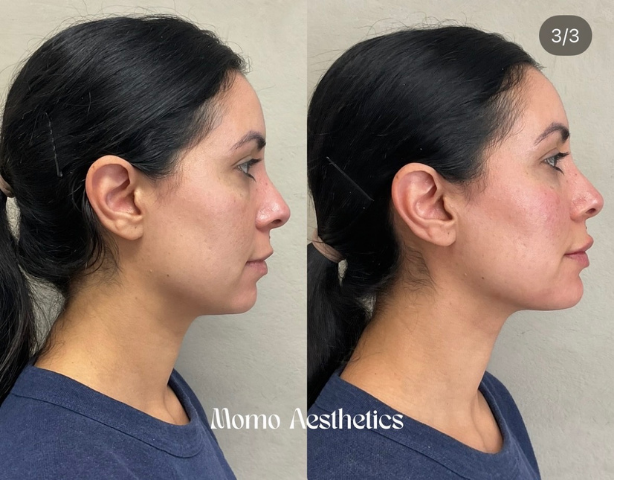
Facial balancing is a strategic, full-face approach to dermal fillers that focuses on harmony rather than isolated enhancement. Instead of treating one feature at a time, we assess the face as a whole—from the temples to the midface, jawline, and chin—to create smooth, seamless transitions and natural proportions.
As we age, we gradually lose facial volume. This volume loss contributes to a downward shift of the tissues (often noticed as jowling) and changes how light reflects across the face. Shadows become more pronounced, contours soften, and the face can appear tired or less balanced.
Because every face is unique, facial balancing is never a one-size-fits-all treatment. It requires a customized assessment and an artistic, conservative approach. The goal is always the same: to restore balance in a way that looks natural, refined, and completely undetectable.
WHY TREATING THE WHOLE FACE MATTERS
Here’s an example I often share with patients:
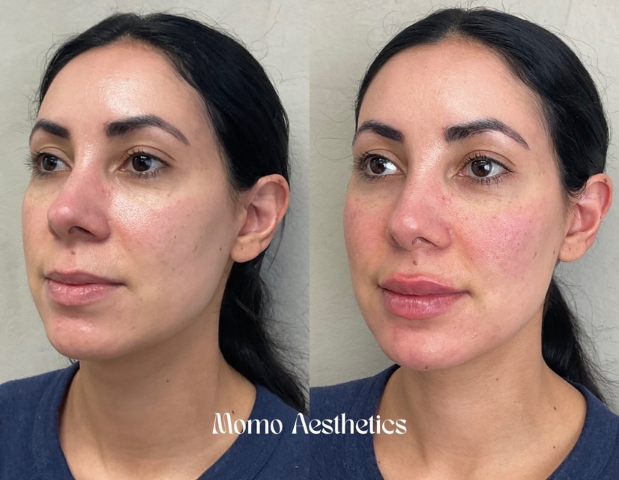
A patient comes in wanting lip filler—and only lip filler. Six months to a year later, they return for a “touch-up.” Over time, this pattern repeats. While the lips continue to gain volume, other areas of the face that also need subtle support—such as the chin, jawline, or midface—are left untreated.
The result? The surrounding features can begin to look disproportionate. Shadows become more noticeable, balance is lost, and the overall look can feel off—even if the lips themselves are well done.
This is why facial balancing is so important. When filler is placed strategically across multiple areas of the face, the result is harmonious and elegant. Well-executed facial balancing should leave people thinking, “She looks amazing—but I can’t quite put my finger on why.”
That’s the goal.
Takeaway: A subtle “sprinkle” of filler in the right areas often looks far more natural and refined than over-treating a single feature.
WHO IS AN IDEAL CANDIDATE FOR FACIAL BALANCING?
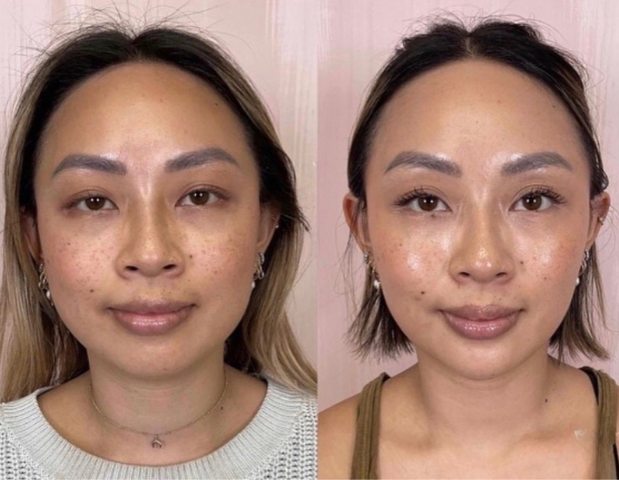
Because facial balancing is highly individualized, the best way to determine if it’s right for you is through a personalized assessment with your provider. During this consultation, we evaluate your facial structure, areas of volume loss, and overall goals to create a plan tailored specifically to you.
WHAT IS THE TREATMENT PROCESS LIKE?
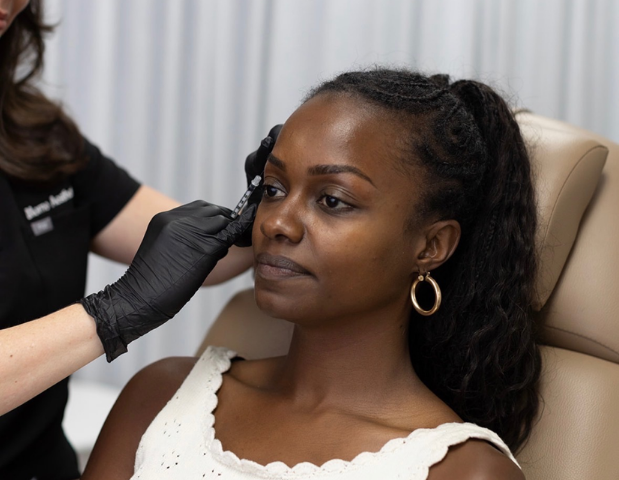
Facial balancing appointments typically last 1–2 hours, depending on how many areas are treated. We take our time to ensure precision, safety, and thoughtful placement.
Dermal filler may be placed using a needle or cannula, depending on the treatment area. Discomfort is generally minimal—numbing cream and additional comfort techniques are always provided.
Some swelling and bruising are normal and expected immediately after treatment. While results are visible right away, we recommend allowing 2–4 weeks for the filler to fully settle and integrate into the tissue before assessing final results.
HOW LONG DO RESULTS LAST?
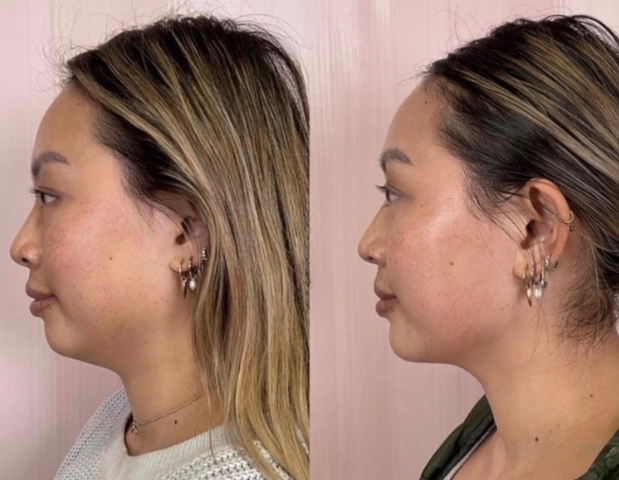
Once you’ve completed your facial balancing treatment, results typically last 1–2 years. Maintenance appointments are usually done annually and often require smaller, more conservative touch-ups to maintain balance and structure.
WHAT IS THE INVESTMENT?
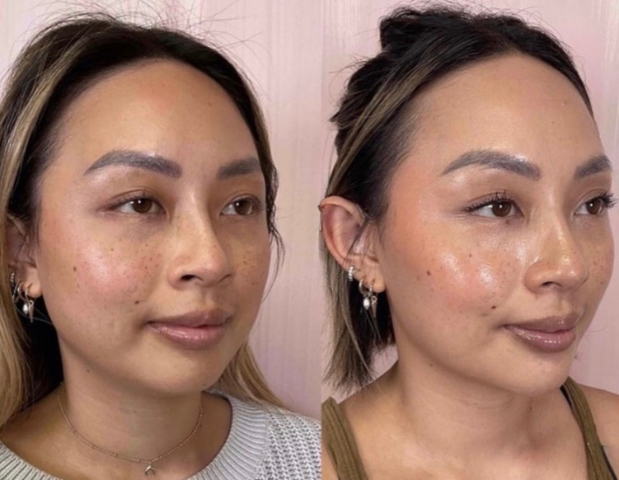
The cost of facial balancing depends on how many areas are treated and how much support is needed. Most patients can expect an investment in the range of $4,000–$7,000 for full facial balancing. Treatments can be completed in one or two sessions, depending on your personalized plan.
THE BOTTOM LINE
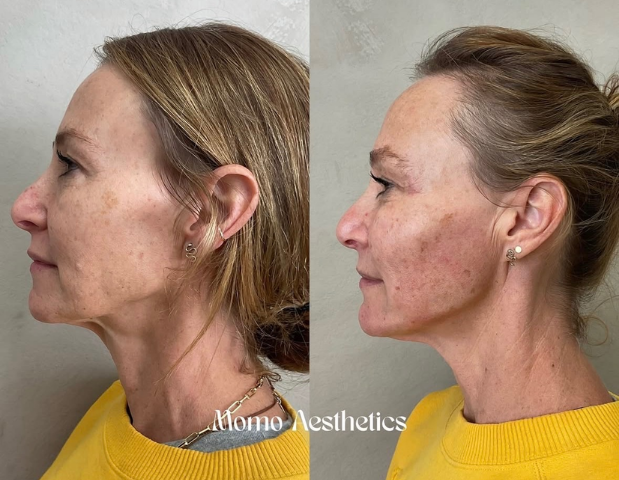
Facial balancing is not about changing your face—it's about restoring harmony, structure, and confidence in a way that feels natural and effortless. When done thoughtfully, the results are subtle, refined, and uniquely you.